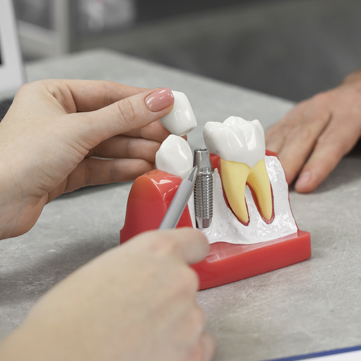
Restoring a damaged or missing tooth is about more than appearance. It supports daily comfort, chewing, and overall oral stability. The longevity of dental crowns in San Antonio often depends on how well the restoration is cared for and how it functions within the bite. Crowns help protect weakened teeth, while bridges replace missing teeth and maintain alignment. Both play an important role in long-term oral health when properly maintained.
Why Crowns and Bridges Are Important for Restoring Damaged or Missing Teeth
Crowns and bridges are designed to restore strength and function in different ways. A crown is used to protect and reinforce a tooth that has been weakened by decay, fracture, or an extensive filling. A bridge fills the space left by missing teeth and helps prevent neighboring teeth from shifting.
Without proper restoration, missing or damaged teeth can lead to bite imbalance, uneven wear, and added stress on the jaw. These treatments help preserve structure while supporting natural movement and alignment over time.
What Determines How Long a Dental Crown Lasts
The durability of a crown depends on several clinical and lifestyle factors. Even well-made restorations can wear down sooner under certain conditions.
Key factors include:
- The material used
- Bite force and alignment
- Oral hygiene habits
- Tooth location in the mouth
- Grinding or clenching patterns
Back teeth often experience more pressure during chewing, which can affect wear over time. The long-term success of crowns also depends on how well the edges of the restoration remain sealed and free from decay.
How Long Dental Bridges Typically Last With Proper Care
With consistent care, bridges can remain stable and functional for many years. The performance of dental bridges San Antonio providers place is closely tied to the condition of the teeth supporting them.
Because bridges rely on neighboring teeth, those teeth must remain strong and free of decay. Proper cleaning around and beneath the bridge helps maintain both the restoration and the surrounding gum tissue. When these areas stay healthy, the bridge is more likely to last longer without complications.
Materials Used in Crowns and Bridges and Their Durability
Different materials are used based on strength, appearance, and function. The right material often depends on the position of the tooth and the demands placed on it.
Common materials include:
- Porcelain or ceramic for a natural look
- Porcelain fused to metal for added strength
- Metal alloys for durability in high-pressure areas
- Zirconia for both strength and wear resistance
Material selection often depends on how much force the tooth will handle and how visible it is when you smile.
How to Care for Your Crown or Bridge Every Day
Daily habits play a major role in how long a crown or bridge lasts. Even strong materials can fail early without proper care.
Helpful habits include:
- Brushing twice daily with a soft-bristle brush
- Cleaning along the gumline to prevent buildup
- Flossing carefully around crowns and under bridges
- Avoiding very hard foods or objects
- Wearing a night guard if grinding is present
The lifespan of restorations improves when plaque is controlled and surrounding teeth remain healthy.
Signs Your Crown or Bridge May Need Replacement
Over time, changes can develop that affect how a restoration fits or functions. These changes should be evaluated early.
Common signs include:
- Sensitivity when biting
- A loose or shifting feeling
- Visible wear, cracks, or chips
- Gum irritation near the restoration
- Changes in how the teeth come together
During an exam, a dentist in San Antonio may check the margins, bite alignment, and overall stability of the restoration to determine if replacement is needed.
The Role of Routine Dental Visits in Maintaining Restorations
Routine visits help monitor how restorations perform over time. Small changes can often be addressed early before they affect the entire structure.
During these visits, your dentist may:
- Check for wear or small fractures
- Evaluate gum health around the restoration
- Ensure the bite remains balanced
- Look for signs of decay at the edges
Consistent follow-up helps protect both the restoration and the natural teeth supporting it.
Working With a Restorative Dentist in San Antonio for Long-Term Results
Long-term success depends on more than the restoration itself. Careful planning, proper placement, and ongoing monitoring all contribute to durability.
Evaluating treatment approach, material choices, and follow-up recommendations can make a meaningful difference in how well a crown or bridge performs over time.
Final Thoughts
Crowns and bridges are dependable solutions for restoring function and stability to your smile. Their longevity depends on daily care, bite balance, and routine evaluation. With the right approach, these restorations can serve comfortably for many years. For guidance on restorative options and long-term maintenance, Terrell Hills Dental provides care focused on durability, function, and patient comfort.