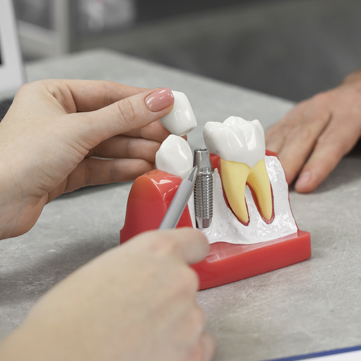
Choosing how to replace a missing tooth affects more than appearance. Tooth loss can change how you chew, speak, and maintain balance in your bite. Dental implants are frequently recommended because they restore the visible tooth while also replacing the root that supports it beneath the gums.
If you are exploring dental implants in San Antonio, understanding how eligibility is assessed can help you prepare for your visit. Some patients require preliminary treatment before implant placement, so careful evaluation is necessary before moving forward.
Why Many People Choose Dental Implants
Dental implants are intended to restore normal chewing function and appearance. During surgery, a titanium fixture is positioned in the jawbone so it can bond with the bone as it heals. The fused implant provides stable support for a crown, bridge, or denture.
When compared with other replacement solutions, implants offer better bone preservation and do not rely on surrounding teeth for stability. Implants help maintain bone structure and do not rely on adjacent teeth for stability. When successful, they allow comfortable biting and chewing.
Eligibility is based on measurable diagnostic findings, and confirmation is made through a detailed clinical review.
How Dentists Assess Candidacy
Your provider will examine your gums, remaining teeth, and jawbone structure. Digital X-rays or three-dimensional imaging are typically used to measure bone height and thickness.
Your dentist in San Antonio will carefully evaluate your dental history and talk through your expectations. Recommendations are guided by clinical evidence rather than personal preference.
A dental implant consultation allows your provider to assess whether implants are suitable for your specific condition.
Evaluating Jawbone Health
Strong bone structure is essential for implant stability. When a tooth has been missing for an extended period, the bone in that area may gradually shrink.
Three-dimensional imaging helps determine whether the jaw has sufficient bone to support an implant. If support is limited, a bone graft may be necessary before moving forward. This preparation can improve long-term success.
Adequate bone density and height are necessary to anchor the implant securely over time.
The Role of Healthy Gums
Healthy gum tissue supports healing and long-term implant function. Active periodontal disease can interfere with recovery and increase the likelihood of complications.
During routine dental check-ups, dentists check for inflammation, gum pocket depth, and signs of infection. Treating gum disease before surgery supports better healing and lowers risk.
Implant surgery proceeds only after infection or inflammation has been treated.
Medical History and Healing Factors
Your general health influences how well your body heals after surgery. Certain conditions may affect recovery or require additional planning.
Your provider may review:
- Diabetes management
- Autoimmune disorders
- Medications that affect bone metabolism
- History of radiation therapy
- Tobacco use
These conditions may not rule out implants, but they can affect scheduling and may require coordination with your physician.
Candidacy is established following clinical examination and diagnostic imaging.
Lifestyle Habits That Influence Outcomes
Daily habits play an important role in implant longevity. Smoking can reduce blood flow to gum tissue and slow healing. Inconsistent oral hygiene may increase the risk of infection.
Your dentist will typically discuss:
- Brushing and flossing routine
- Attendance at preventive appointments
- Teeth grinding or clenching
- Tobacco use
During your consultation, be prepared to discuss these habits openly so your provider can plan treatment safely.
When Implants May Not Be Recommended
Although implants are highly effective, they are not the best solution for everyone. In cases of advanced bone loss or medical limitations, alternative options may be more appropriate.
Other treatments may include:
- Dental bridges
- Partial dentures
- Full dentures
Your dentist will review the advantages and limitations of each option so you can choose the one that aligns with your health needs and long-term goals.
Planning Your Implant Consultation in San Antonio
The first step toward tooth replacement is a thorough professional assessment. If you are exploring tooth replacement options, scheduling an appointment provides clarity and direction.
A structured evaluation will determine the safest and most appropriate treatment plan for your situation.
Timely assessment protects bone structure and maintains broader restorative choices.